
Reviewed · DALT VILA & OLD TOWN WALKS
Ibiza old town Private Guided Walking Tour
Dalt Vila tells its story fast. In just 1.5 hours, this private guided walk takes you through Ibiza’s walled old town where Roman stone, Moorish-Christian architecture, and coastal life all overlap. You’ll get a clear sense of how the island moved from Phoenician roots to Carthaginian, Roman, Arab, and Christian eras.
I like two things a lot. First, the tour is built around specific landmarks you can actually point to, like the Portal de ses Taules and the Convent of San Vicente y San Jaime. Second, it leaves time for the feeling of the place: cobbled streets, sea air, balconies, cafes, and that moment when the walls open up into panoramic views.
One thing to consider: at this price level, you’ll want the private format and a history-focused guide to feel worth it. Also, entrance fees are not included, and coordination changes can happen close to departure in some cases.
In This Review
- Key highlights worth showing up for
- Why Dalt Vila is worth a private walk
- Start at Mercat Vell and build a simple game plan
- Entering Dalt Vila through Portal de ses Taules (1585)
- The timeline tour: from Phoenicians to pirates
- Spotting Roman occupation: headless statues and what they signal
- San Vicente y San Jaime: a convent church that opened late
- Bastions and panoramic views: where the town makes sense
- Boutique streets and art ateliers: history plus downtime
- Price and value for a private group up to 15
- When it’s a great fit (and when you should skip)
- Should you book this Ibiza Old Town private guided walking tour?
- FAQ
- How long is the Ibiza Old Town Private Guided Walking Tour?
- Is this tour private?
- What language is the tour guide?
- Where do we meet for the tour?
- Are entrance fees included?
- Can the guide customize the tour?
- What is the cancellation policy?
Key highlights worth showing up for
- Portal de ses Taules (1585) and the bastions of Sant Joan and Santa Llúcia right inside the UNESCO core
- A walk through changing powers: Phoenicians, Carthaginians, Romans, Visigoths, Byzantines, Arab and Christian conquests, plus the pirate era
- Roman clues you can spot, including headless Roman statues as evidence of occupation
- San Vicente y San Jaime convent church, first built in the 16th century and only opened to the general public in 1929
- Moorish-Christian architectural mixing visible on the façade and reflected across the island
- Time for real strolling: boutiques, fashion shops, art ateliers, and the cafes that make Dalt Vila feel lived-in
Why Dalt Vila is worth a private walk
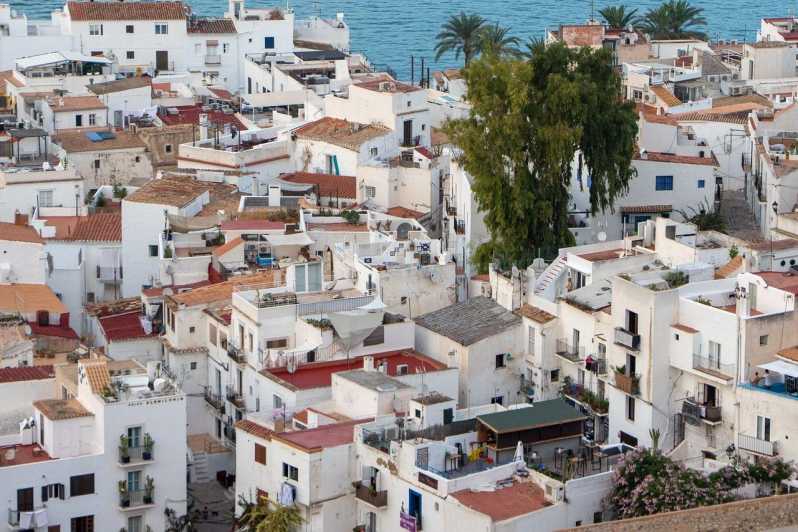
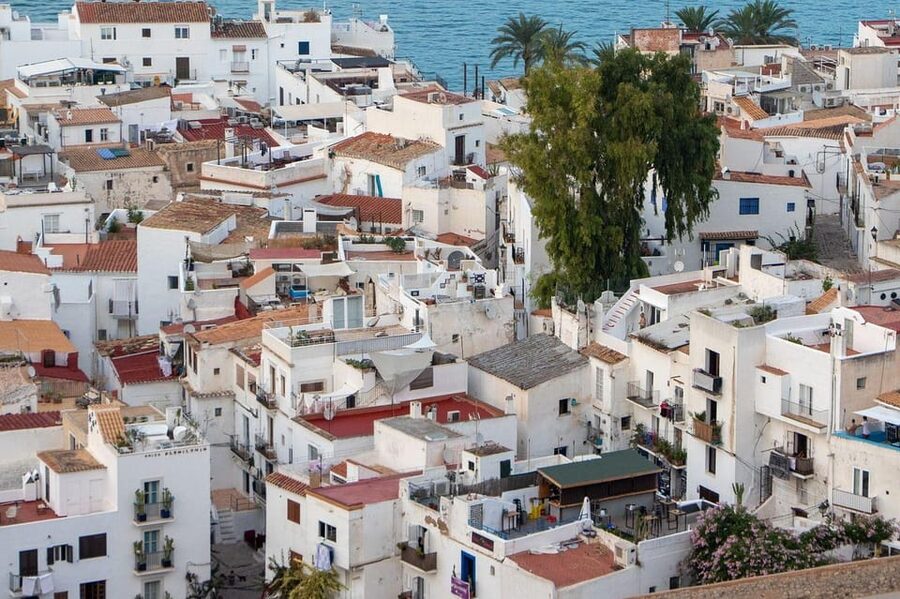
If your time in Ibiza is tight, Dalt Vila is one of the best places to spend it. The whole area works like an outdoor textbook: walls, gates, churches, and bastions keep showing new layers as you move through the streets. This tour turns that chaos into a timeline you can follow.
I also like that the tour doesn’t just throw dates at you. It points you toward things you can see on the spot—like the Portal de ses Taules—and connects them to the bigger story of power shifts around the island. That way, you don’t leave with a list of names. You leave with a mental map.
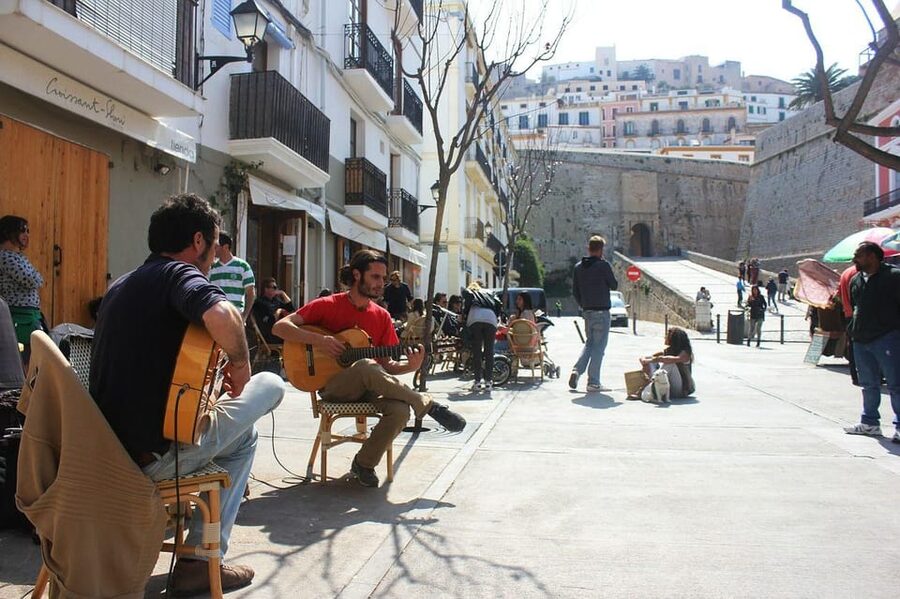
And yes, you’ll enjoy the atmosphere too: the smell of the sea, balconies, cafes, and Spanish music drifting through the air. That sounds poetic, but it matters. When you understand where you are historically, the place feels more real, not just pretty.
More Dalt Vila and Ibiza Town walks we have strolled at dusk

Start at Mercat Vell and build a simple game plan
The meeting point is Mercat Vell (Old Market) at Plaça de la Constitució, 1T, 07800 Eivissa. It’s a practical place to start because it keeps you near the old-town approach, so your 1.5 hours aren’t wasted on long transfers.
From there, the rhythm of the tour is straightforward: you move from the arrival zone toward the walled heart of Dalt Vila, then you work through the key landmarks while your local English-speaking guide keeps the story connected. Because it’s private, you can ask questions when something clicks or when you want to slow down for a view.
My tip: wear shoes you can trust on cobblestones. Dalt Vila’s streets are built for walking, but they can be uneven, and the pace is quick enough that you’ll feel it if your footing isn’t comfortable. If it’s a warm day, plan for heat too. You’ll be outside most of the time.
Entering Dalt Vila through Portal de ses Taules (1585)
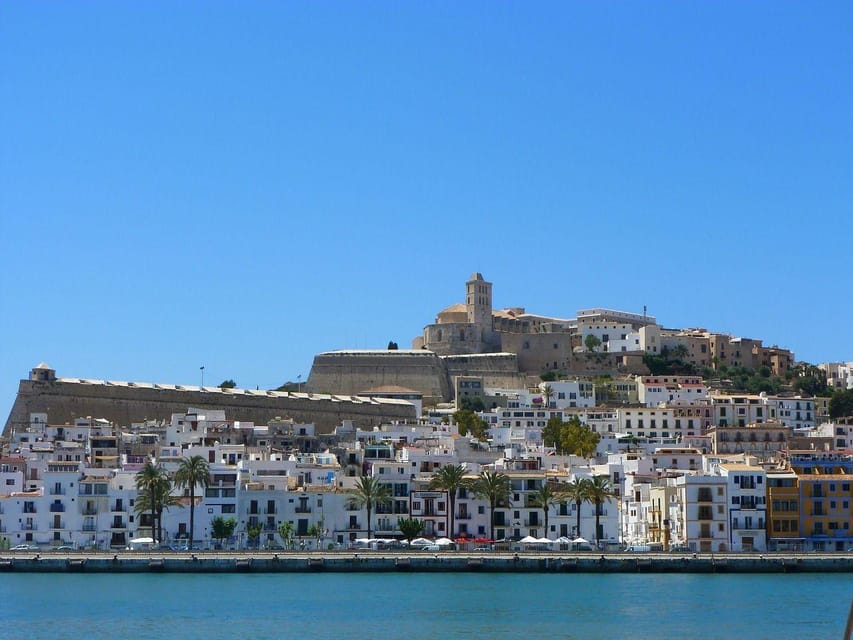
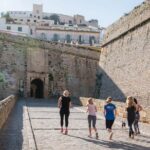
One of the first big “this is the real entrance” moments is Portal de ses Taules (dated 1585). The portal sits between the bastions of Sant Joan and Santa Llúcia, so it’s not just a pretty gate. It’s part of a defensive layout—an architectural reminder that this town was built to protect itself.
Why I like starting with this: it gives you a frame. The moment you see a gate anchored by bastions, you understand the logic behind the walls. Then, when the guide walks you through eras—Phoenician roots, Carthaginian and Roman influence, and later conquests—it feels anchored to geography, not random history.
You’ll also get that UNESCO context here. Dalt Vila is part of the UNESCO World Heritage Site, and it’s also described as one of Spain’s 15 UNESCO World Heritage–designated cities. Even if you’re not a paperwork person, the UNESCO label helps you realize you’re standing in a protected, historically layered zone.
The timeline tour: from Phoenicians to pirates
This walk is structured like a timeline you can follow by looking at the evidence around you. You’ll hear about Ibiza’s Phoenician roots in Ibosim, then move through the later waves of Carthaginian and Roman presence. The story continues with Visigothic and Byzantine influences, then focuses on the Arab and Christian conquests.
Then comes the part many people don’t expect when they picture Ibiza: the era of Eivissa’s pirates. That doesn’t mean you’ll find pirate treasure on the street, but the guide’s explanation helps you understand why coastal control and fortifications mattered. You start seeing the town as something shaped by threat and strategy, not just tourism.
A good private guide makes this easy to keep straight. You don’t need to memorize dates; you just need to understand what changed and why. By the time you reach the bastions and viewpoints later, the story will feel like it belongs to the scenery.
Spotting Roman occupation: headless statues and what they signal
The tour includes a stop for Roman evidence, including headless Roman statues. Even if you’re not a sculpture person, this kind of detail hits hard because it’s physical proof of who was here and how the island was used.
Roman occupation shows up in the way cities were organized and in what they chose to preserve or reuse. A headless statue sounds grim, but it’s also a clue. It points to how time and conflict can leave marks that later eras live with—and reinterpret.
If you’re the type who likes to “see the clue first,” this is a highlight. Instead of being told the Romans were important, you’re shown a concrete fragment of that presence. Then your guide connects it back to the broader Roman chapter of the island’s past.
More guided Ibiza tours we have joined with a local






San Vicente y San Jaime: a convent church that opened late
Another major stop is the Church of the Convent of San Vicente y San Jaime. The building has a long arc: it was first built in the 16th century as a convent church, and it wasn’t open to the general public until 1929. That timeline matters because it explains why this place can feel both old and surprisingly preserved.
Inside, you’ll see several chapels, which is where the tour shifts from big-picture eras to everyday life. Chapels tend to be where communities express religion, routine, and status in a way you can read without a guide. With a guide, you’ll get the extra context that turns architecture into a snapshot of older Ibiza life.
One more detail I’d keep an eye on: the façade is a strong example of how Moorish and Christian architectural influence mixed. The island’s design doesn’t come from a single source, and this church is one of the places where that becomes visually obvious. If you want to understand how different cultures left fingerprints on the same stones, this stop is a good anchor.
Bastions and panoramic views: where the town makes sense
After the church and architecture stops, the walk moves toward the bastions and viewing moments. You’ll explore the bastions and other Dalt Vila historical landmarks, and you’ll get panoramic views over Ibiza’s capital.
This is the part where the tour pays off for your whole trip. Once you can see the layout from above, you stop feeling like you’re wandering and start feeling like you’re moving with purpose. You’ll better understand why streets curve, why certain areas feel more protected, and how the walls sit against the sea.
I also like that the tour doesn’t treat the views like a quick photo spot. You’re given time to enjoy them, and that’s when the atmosphere really lands: the sea smell, the balconies, and the sound of Spanish music floating around cafes.
If you get motion-sensitive, this is also the best time to take a breather. It’s easier to pause outside than you might think once you’re in a tight street network.
Boutique streets and art ateliers: history plus downtime
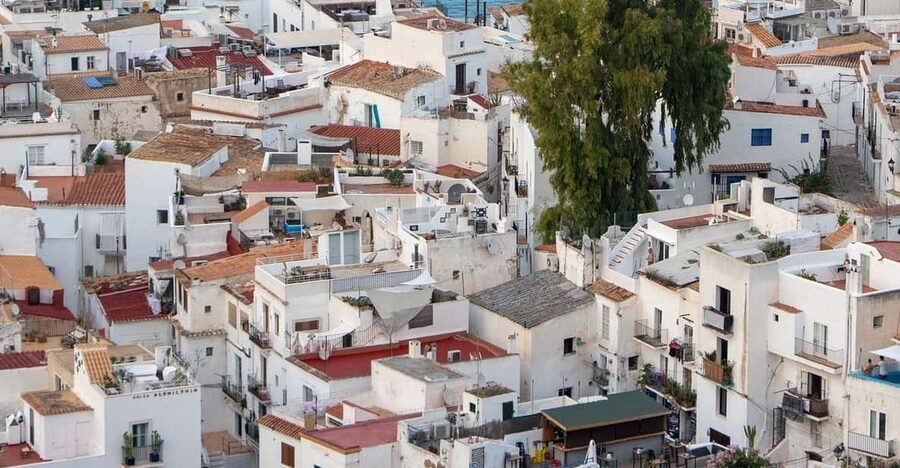
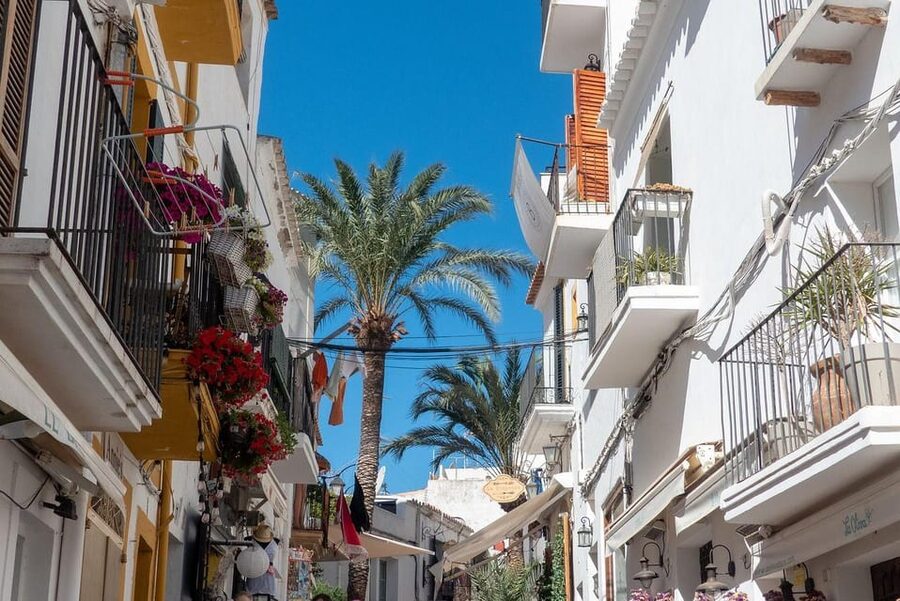
One practical bonus is that the walk includes time that feels like real strolling. As you move through Dalt Vila’s lanes, you’ll pass small boutiques, fashion stores, and art ateliers. The guide doesn’t just point out the past; you get room to notice what the place looks like now.
That balance is useful. A 1.5-hour private tour can be either too strict (everything becomes a checklist) or too loose (you lose the meaning). Here, the historical focus is constant, but the setting stays human: cafes, balconies, and street-level life.
My advice: if you spot a shop that looks like it sells locally made art or design, let yourself drift for a few minutes. You’ll remember the story better when you connect it to how people live in the area today.
Price and value for a private group up to 15
This tour is priced at $412 per group (up to 15 people) and lasts 1.5 hours. For a private experience, that pricing can make sense if you’re traveling with a group that will actually fill seats. The biggest value comes from having a guide who stays with your group only, and who can tailor questions on the spot.
Still, it’s not the kind of experience I’d call a budget steal. Entrance fees are not included, and you’re paying for interpretation—meaning you’ll get the most value if you care about architecture, layers of conquest, and the way one gate or façade tells a bigger story.
A balanced expectation check: one past booking flagged coordination issues, including a tour-time change about a day before. That doesn’t mean it will happen to you, but it does mean you should keep your schedule flexible and confirm details when you’re close to departure.
When it’s a great fit (and when you should skip)
This tour fits best if you want:
- A private English guide for a focused 90 minutes
- A clear, connected storyline for Dalt Vila’s changing powers, from Phoenicians to pirates
- Architecture details you can see, like the Moorish-Christian façade blend and the Roman clues
It’s less ideal if you:
- Want a long museum-style visit inside multiple sites
- Prefer a self-guided plan where you can wander for hours without a defined timeline
- Are extremely price-sensitive and want the lowest cost possible per person
Also, if you visit Ibiza mainly for beaches and nightlife, this tour still works—but treat it like a daytime setup. Getting your bearings at Dalt Vila makes the rest of your island feel less random.
Should you book this Ibiza Old Town private guided walking tour?
Book it if you like history you can walk through, not history you just read about later. The combination of landmark-specific stops—Portal de ses Taules, Roman evidence like headless statues, and the San Vicente y San Jaime convent church—makes the UNESCO setting feel concrete. Add in the time for bastion views and street life, and you get both meaning and atmosphere in a short window.
Skip or reconsider if you’re expecting a bargain price for a broad, all-inclusive experience. Entrance fees aren’t included, and private tours only feel like value when the guide time actually matches what you want to learn. If you do book, plan for a bit of schedule wiggle room and wear shoes for cobblestones.
FAQ
How long is the Ibiza Old Town Private Guided Walking Tour?
It lasts 1.5 hours.
Is this tour private?
Yes. It’s a private group tour, and the guide will stay with your group only.
What language is the tour guide?
The live tour guide is English.
Where do we meet for the tour?
The meeting point is Mercat Vell (Old Market), Plaça de la Constitució, 1T, 07800 Eivissa, Illes Balears, Spain.
Are entrance fees included?
No. Entrance fees are not included.
Can the guide customize the tour?
There can be possible customizing on the spot with your local guide.
What is the cancellation policy?
You can cancel up to 24 hours in advance for a full refund.
More Tours in Ibiza



More Tour Reviews in Ibiza




More Dalt Vila & Ibiza Town Walks



Not quite your thing? Here are more Ibiza and Formentera trips we have reviewed










Dalt Vila & Old Town Walks, compared.
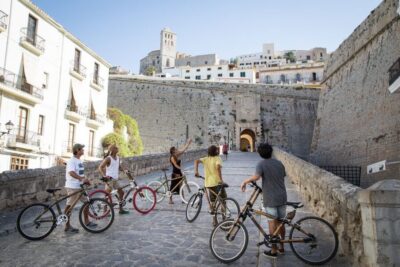 ★ 4.3Ibiza Town Private Guided Sightseeing Tour by BikeFrom $14253 reviews
 ★ 5.0Private Walking & Hiking Experience IbizaFrom $41737 reviews
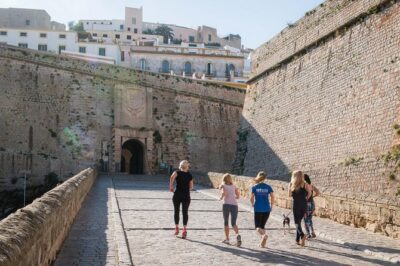 ★ 5.0Full Running Tour of Ibiza TownFrom $4518 reviews
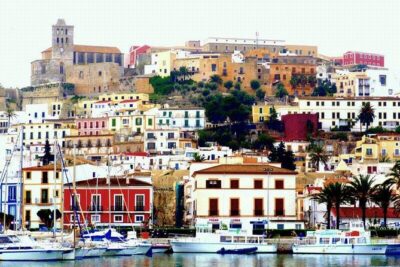 ★ 4.5Secrets of IBIZA CITY – 2 hours walking tourFrom $35417 reviews
 ★ 5.0Ibiza Trail Run 1-1.5 HourFrom $6214 reviews
 ★ 4.4Guided Food Tour of Ibiza Town with TastingsFrom $17710 reviews
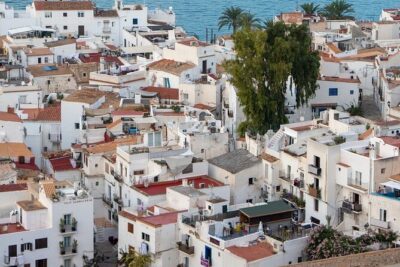 ★ 4.5Ibiza old town Private Walking Tour with a Professional GuideFrom $4239 reviews
 ★ 5.0Old Town Guided Walking TourFrom $3418 reviews
Browse the lists this tour appears in