
Reviewed · SNORKELING, DIVING & SEA CAVES
Scuba Diving Baptism and Snorkeling in Ibiza
You’ll feel the magic fast, with calm guidance. This intro scuba baptism in Ibiza mixes a quick safety briefing, small-team setup, and a boat to a remote bay with Posidonia oceanica under UNESCO protection. You’ll also get time on deck for sun, swimming, and mask-and-tube snorkeling after your session.
The biggest trade-off is that the trip depends on weather and wind, so changes can happen if conditions shift.
What I like most is the focus on basics—gear, safety, and technique—taught before you ever go underwater. Second, the group setup is reassuring: small groups of four beginners per instructor max, so you’re not lost in a crowd. One consideration: you’ll need to be comfortable with the health and safety limits, especially anything related to lungs and ears.
In This Review
- Key highlights I’d actually plan around
- Price and what you really get for $181.02
- From Pier of Scuba Diving Boats to a remote bay: the flow of the day
- The short theory class and gear check (what matters for first-timers)
- Gear and comfort tips you should plan before you arrive
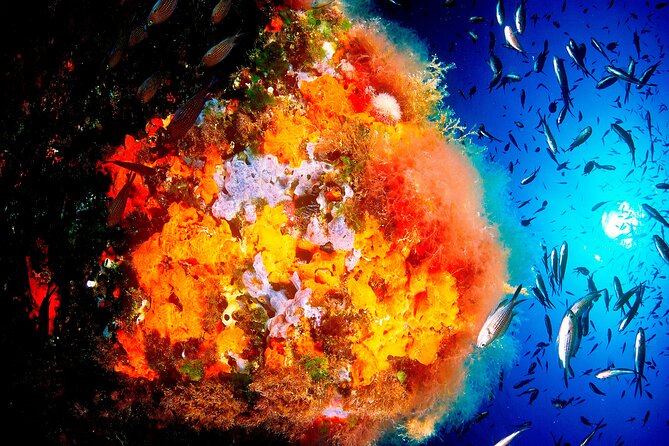
- The UNESCO seagrass bay and the wildlife you’ll actually notice
- Going underwater: 8 meters max, about 35 minutes, and staying calm
- What to do while other groups are underwater (snorkeling and deck time)
- Weather and timing: the one thing that can change your plan
- Who should book, and who should skip it
- The value of the instructor-led small groups (and what to do if you’re anxious)
- Included vs. not included: the fine print that affects your budget
- Before your flight: the 12-hour wait you should respect
- Should you book this Ibiza first-scuba experience?
- FAQ
- Do I need any scuba certification or prior experience?
- How long is the activity?
- Where do I meet the group?
- What time does it start?
- What’s included in the price?
- What depth will beginners reach?
- Are there health or medical limits?
- Fare and weather notes (quick heads-up)
Key highlights I’d actually plan around
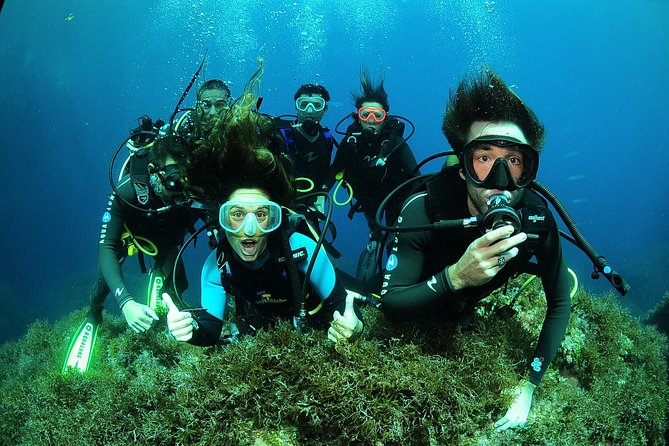
- Small groups (4 beginners per instructor max) for hands-on coaching and less waiting
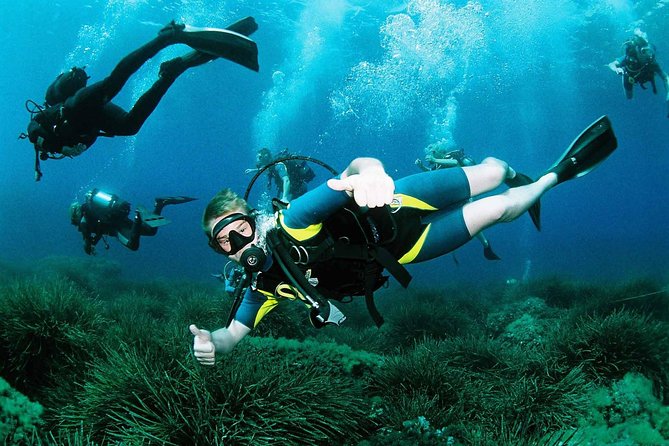
- UNESCO-protected Posidonia oceanica and wildlife like octopus, starfish, and anemones
- 35 minutes in the water with a beginner-friendly maximum depth of 8 meters
- Confined bay only reachable by boat, which helps you avoid the worst crowds
- Deck time after your session, with the option to swim or snorkel while other groups go
Price and what you really get for $181.02
At $181.02 per person for about 4 hours, this isn’t a casual beach activity. You’re paying for an expert-led safety setup, scuba equipment, snorkeling equipment, and a boat ride from San Antonio Port area out to an underwater spot reached only by boat. The value is that you’re not just paying to watch fish—you’re paying to learn how to breathe underwater safely, then spend a short, controlled amount of time doing it.
Also, bottled water is included, and the format is built around beginners. If you’re the type who likes structured instruction (and not “figure it out yourself”), the price starts to make sense fast.
More Ibiza snorkeling, diving and sea cave trips we have dropped into

From Pier of Scuba Diving Boats to a remote bay: the flow of the day
The day starts at 9:00 am at the Pier of Scuba Diving Boats, Pg. de la Mar, 07820 Sant Antoni de Portmany. You return to the same meeting point when the activity finishes. Expect the overall timing to feel “boat trip first, then underwater session,” because the underwater spot is about 35 minutes by boat from San Antonio port.
Once you’re on the water, the staff organize the day around groups. While one group is underwater, another group is gearing up, and after you’re done, you still get a proper chunk of time on the boat deck. That reduces the usual “rush” feeling you get on some short activities.
The short theory class and gear check (what matters for first-timers)
Before anyone goes down, the instructors run a theoretical class. This is where you’ll learn the basics of scuba safety, gear, and technique—the stuff that helps you stop worrying and start focusing on what you’re doing.
Then comes the gear part: you’re equipped and grouped into a small team. One detail I’d take seriously: the experience is set up so you’re supervised closely, and that matters most when you’re new and your brain is busy just staying calm.
If you’re nervous, use the theory time. Ask questions about what you’ll be expected to do underwater, and don’t wait until the moment before you enter the water. The more you understand the “why,” the less it feels like something you’re surviving.
Gear and comfort tips you should plan before you arrive
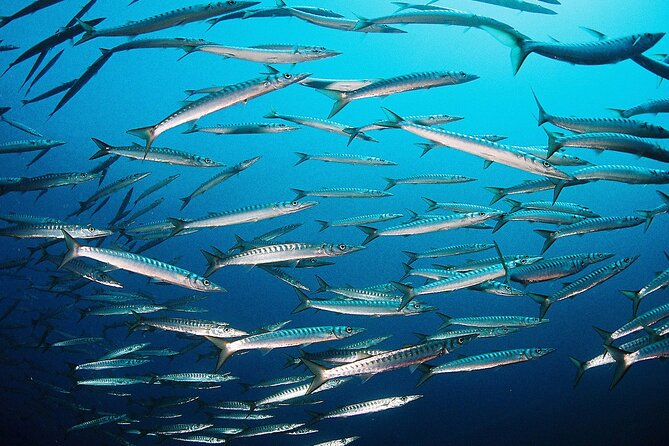
The tour includes scuba equipment and snorkeling equipment, so you don’t have to bring gear. But you do have to bring yourself in a usable condition.
Two practical points from the rules:
- If you wear glasses, you can’t dive with them. Bring specs if needed.
- This is not recommended if you have any ear problems.
If you’re thinking, I can probably handle it, I’d still treat the ear guidance as serious. Even if you feel fine on land, pressure changes are part of the underwater experience.
The UNESCO seagrass bay and the wildlife you’ll actually notice
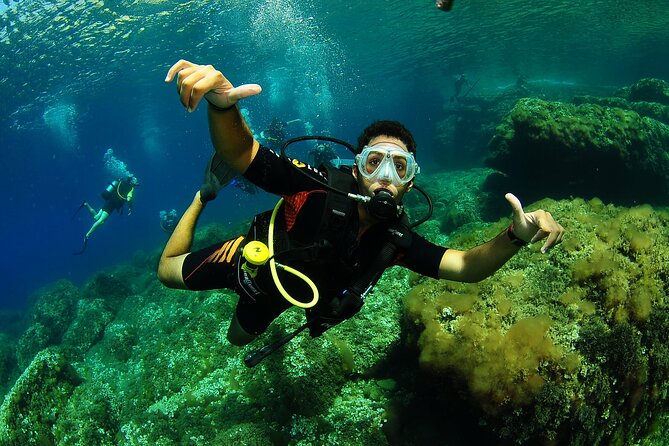
Your underwater route takes place in a confined bay that’s part of a cliff area away from crowds and not reachable except by boat. That isolation is a big deal. It tends to mean less “tourist noise” and more room for that natural, wild feeling.
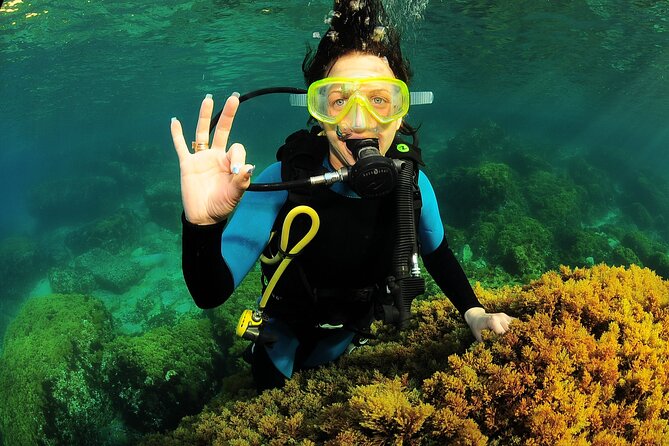
As you enter from shallow waters, you follow the instructor in a circular route. This route style isn’t random—it helps keep the group together and gives you a chance to look around without feeling like you’re drifting off course.
The highlights of what you can observe include:
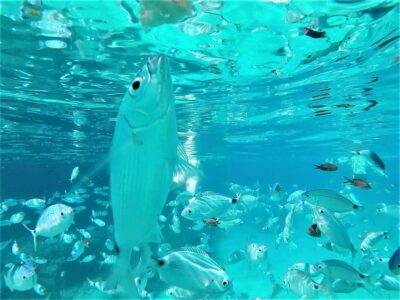
- Rockfish
- Starfish
- Octopus
- Anemones
- Spirographs
- Posidonia oceanica (UNESCO-protected seagrass)
That last one is more than a name. Posidonia oceanica forms an underwater meadow, and when conditions allow, it’s the kind of habitat that supports lots of life. If you’re the type who likes learning what you’re seeing, this is one of the best reasons to choose this specific Ibiza location rather than just any nearby stop.



Going underwater: 8 meters max, about 35 minutes, and staying calm
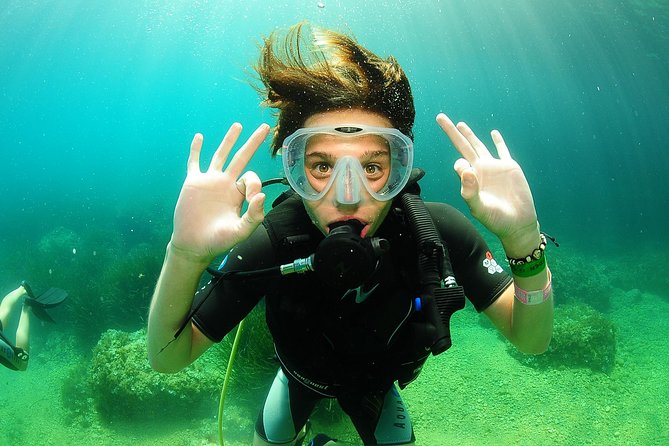
Once the setup is done, you’ll go in for an introductory session with a maximum depth of 8 meters. Expect about 35 minutes underwater. For beginners, that’s a good pace—long enough to forget you’re nervous, short enough that it stays comfortable.
The team follows you and keeps an eye on you during the experience. You’re also taught technique and safety first, which helps because your biggest “new diver” obstacle is usually not the water—it’s confidence.
A small but important practical takeaway: breathing control is the main skill you’ll lean on underwater. If you’ve ever taken a slow breath before a speech, it’s similar. The moment you stop fighting it, everything gets easier.
What to do while other groups are underwater (snorkeling and deck time)
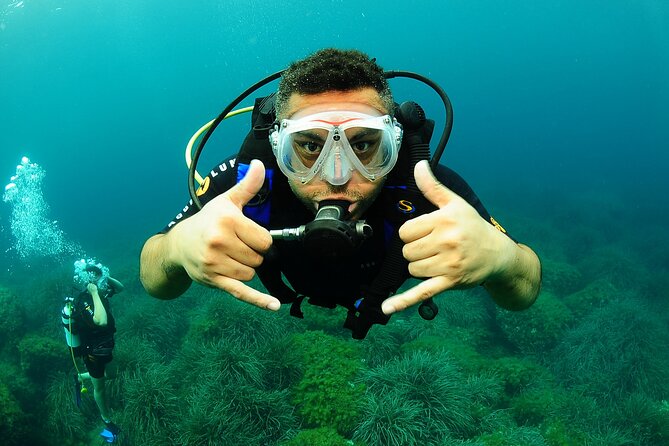
After your underwater session ends and you return to the boat, another group goes next. This is where the trip feels better than the cheapest “go-go-go” options.
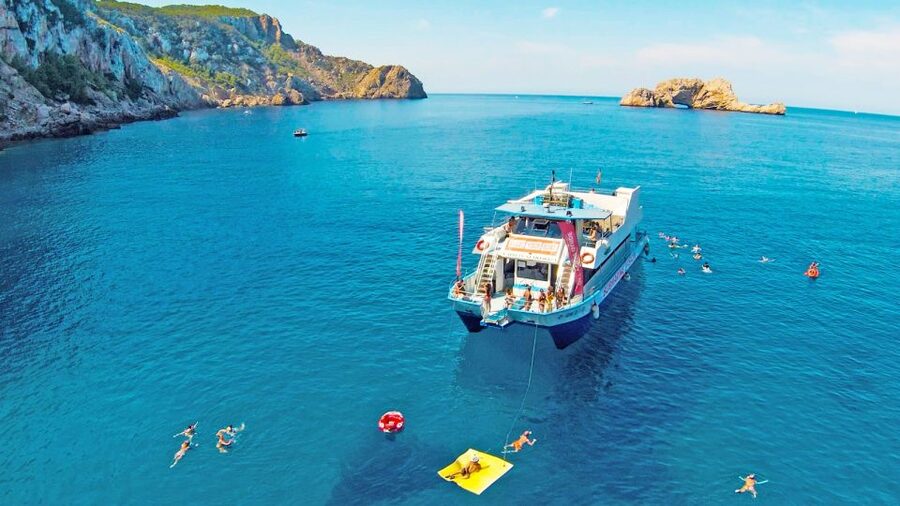
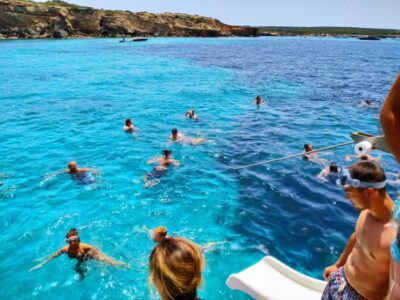
While you wait, you can relax on the deck with sun and the option to swim. There’s also snorkeling with mask and tube available, so you still get water time even if you’re done with scuba for the day.
This deck-and-snorkel rhythm matters because it keeps the day enjoyable even if you’re the nervous type. You’re not locked into a single high-stress block—you get a recovery period and extra time to see the sea from the surface.
Weather and timing: the one thing that can change your plan
This activity requires good weather, and it’s run with safety as the priority. That means if wind shifts or conditions get rough, your schedule can change on short notice. In practice, this can mean delays or cancellations, and sometimes the communication timing can feel less than perfect.
My advice is simple:
- Don’t book a tight, no-buffer itinerary right after the experience.
- Keep your phone ready so you can respond quickly if there’s an adjustment.
Also plan around the day’s finish: the activity ends back at the meeting point after all groups are completed.
Who should book, and who should skip it
This is designed for people with no certification or prior experience required. If you’ve always wondered what scuba feels like, this is a solid entry point because you learn safety basics and then practice them under close guidance.
But it’s not for everyone. It explicitly says it’s not recommended for participants with:
- Diabetes
- Epilepsy
- Active asthma
- High blood pressure
- Any lung disease
- Heart disease
- Blood disease
- Any ear problem
It also warns against going if you’re not healthy or if you’re taking medications to control any disease. If any of that applies, take it as a stop sign, not a paperwork detail. Scuba is one of those activities where “maybe” can turn into a bad outcome.
Physical fitness is listed as moderate, so you should be comfortable with getting on/off a boat and being at ease in open water.
The value of the instructor-led small groups (and what to do if you’re anxious)
The strongest praise for this experience centers on how calm, patient, and supportive the instructors are. People talk about feeling safe, getting checked frequently underwater, and being guided so they can enjoy the underwater world instead of just coping with it.
Still, there’s one useful caution woven into real-world experience: if you’re not a strong swimmer or you lose confidence easily, bring that up early. Don’t assume the instructor will read your mind. Your comfort matters, and you should ask for clarity on what you’ll need to do and how support will work if you feel uncertain.
If you’re worried, consider this your checklist:
- Tell the team your swimming comfort level before you enter the water.
- Ask what happens if you feel panicky.
- Follow the instructor’s instructions closely and keep breathing steadily.
That’s the difference between feeling like an adventure and feeling like a struggle.
Included vs. not included: the fine print that affects your budget
Included:
- Professional guide
- Scuba equipment
- Snorkeling equipment
- Bottled water
Not included:
- Food and drinks
- Lunch
- Souvenir photos (available to purchase)
So if you’re doing this early in the day, plan to eat before you go or bring a plan for when you’ll get food after. And if photos matter to you, set aside extra money—they’re not automatic.
Before your flight: the 12-hour wait you should respect
One travel-planning detail that’s easy to overlook: after the underwater experience, you need to wait 12 hours for boarding a plane. That’s not the kind of rule you can casually ignore, especially if you’re on a tight travel schedule.
If you’re flying out the same day, rethink the timeline. It’s one of those “small detail, big consequence” points.
Should you book this Ibiza first-scuba experience?
Book it if you want a guided first-time underwater experience with small-group attention, a beginner-friendly setup, and the chance to see real marine life in a remote bay with Posidonia oceanica. It’s also a good choice if you like structure: theory first, then controlled time underwater to a max of 8 meters.
Skip it if you have any of the listed health concerns, especially anything related to ears or lungs. And if your schedule is rigid, remember the trip depends on weather and wind, so allow flexibility.
If you’re a beginner and you handle nerves by getting clear instructions early, this is the kind of activity where you’ll likely come away proud you did it—and already thinking about doing it again.
FAQ
Do I need any scuba certification or prior experience?
No. The experience is designed for people with no certification or prior experience required.
How long is the activity?
It runs for about 4 hours (approx.), with around 35 minutes underwater (maximum depth 8 meters).
Where do I meet the group?
Meet at the Pier of Scuba Diving Boats, Pg. de la Mar, 07820 Sant Antoni de Portmany, Illes Balears, Spain.
What time does it start?
The start time is 9:00 am.
What’s included in the price?
Included are a professional guide, scuba equipment, snorkeling equipment, and bottled water.
What depth will beginners reach?
The maximum depth is 8 meters.
Are there health or medical limits?
Yes. It’s not recommended if you have conditions like active asthma, high blood pressure, lung disease, heart disease, blood disease, epilepsy, diabetes, or any ear problem, or if you are not healthy or take medication for a condition.
Fare and weather notes (quick heads-up)
The experience requires good weather and may be operated by a multi-lingual guide. If the activity is canceled due to poor weather, you’ll be offered a different date or a full refund.
More Tour Reviews in Ibiza
More Ibiza Snorkeling, Diving & Sea Caves

Not quite your thing? Here are more Ibiza and Formentera trips we have reviewed









Snorkeling, Diving & Sea Caves, compared.
 ★ 4.6Snorkeling and SUP Paddle, Beach and Cave Boat TourFrom $68992 reviews
 ★ 4.4Cala Salada & North Cruise with Drinks & SnorkelingFrom $53843 reviews
 ★ 4.0Crystal Waters Formentera, Open Bar and Buffet LunchFrom $93529 reviews
 ★ 4.6Snorkeling, Sunset Beach and Cave Boat TripFrom $79505 reviews
 ★ 4.7Es Figueral: Guided Kayaking and Snorkeling TourFrom $59378 reviews
 ★ 4.5Ibiza Snorkeling Beach and Cave TourFrom $72374 reviews
 ★ 4.5Cala Salada and Unspoiled North Beach Tour. Snorkelling and AquariumFrom $50372 reviews
 ★ 5.0Sunset Beach Hopping Cruise, Cala Comte and Cala Bassa, SUP and snorkellingFrom $78268 reviews
Browse the lists this tour appears in